
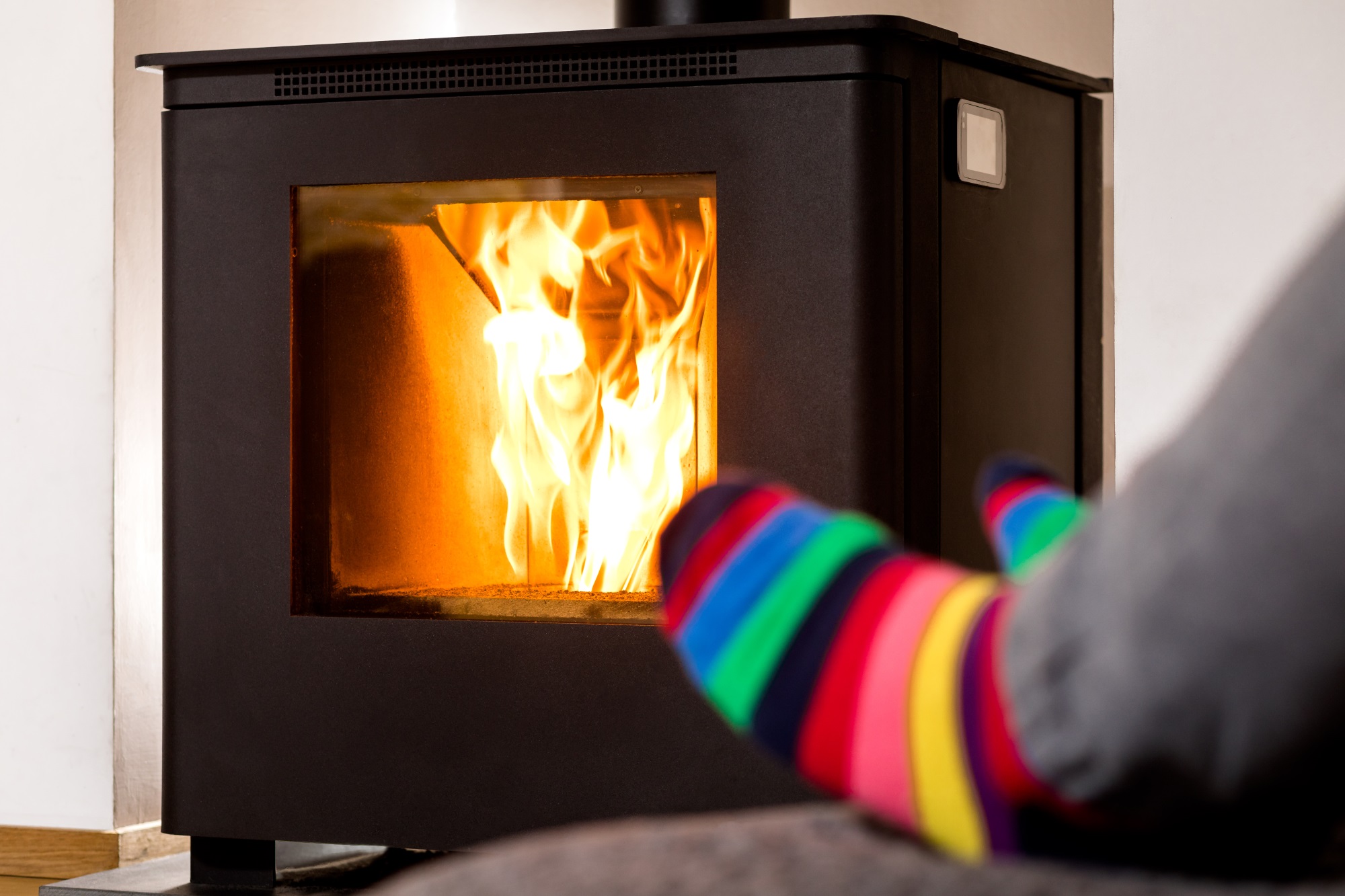
How Hot Do Wood Burning Stoves Get?
Wood burning stoves can reach extremely high temperatures, with the firebox inside the stove reaching over 1,000°F (538°C). However, the external surface temperatures are much lower due to design features that prevent the outside from getting dangerously hot.
For many households, wood burning stoves are used specifically because their performance is affected by factors such as whether the air vents are open or closed and what type of wood is used.
The key temperatures to understand for wood burning stoves are:
Firebox Temperature
The firebox is the internal chamber where the wood fuel burns. This is by far the hottest part of the stove. Temperatures inside the firebox can reach over 1,000°F (538°C) depending on the burn rate, type of fuel, and stove design. At maximum burn rates, such as when starting a fire, temperatures can exceed 1,400°F (760°C).
Within wood burning stoves, these extremely high temperatures are contained inside the firebox by the surrounding stove materials. Firebrick lining the firebox helps insulate the outside from these intense internal temperatures.
Flue Gas Temperature
The hot exhaust gases that are produced as the fire burns when using your wood burning stove are called flue gases. These gases exit the firebox through a passageway called the flue, which leads ultimately outside through the chimney.
The outer surface temperatures of a wood stove are much lower than the firebox and flue gases. Various design features prevent the external stove surfaces from getting dangerously hot: This is why the surface temperatures for wood burning stoves are typically kept low enough to avoid the risk of burns. Typical surface temperatures during operation are in the range of 200°F to 300°F (95°C to 150°C). The surfaces are hot to the touch but not dangerously so. Stove manufacturers must adhere to various safety standards that regulate the maximum allowable surface temperatures. For example, in the UK the maximum permitted surface temperature is 208°F (98°C) according to building regulations. Other key standards include EN 13240 in Europe. Appliances are extensively tested to make sure surface temperatures do not exceed limits at any point on the stove. Several factors can influence how hot wood burning stoves get during operation: With proper operation and maintenance, your wood burning stoves at home should stay within intended temperature ranges for safe and efficient heating. Regular cleaning and inspection by a qualified chimney sweep can help ensure your stove doesn’t overheat. For safety, one must always follow guidelines for wood burning stoves, avoiding misuse or overload. The internal fire may be extremely hot, but the stove’s exterior surfaces should always remain touchable if the unit is in good working order.Surface Temperatures
Factors Affecting Temperature