
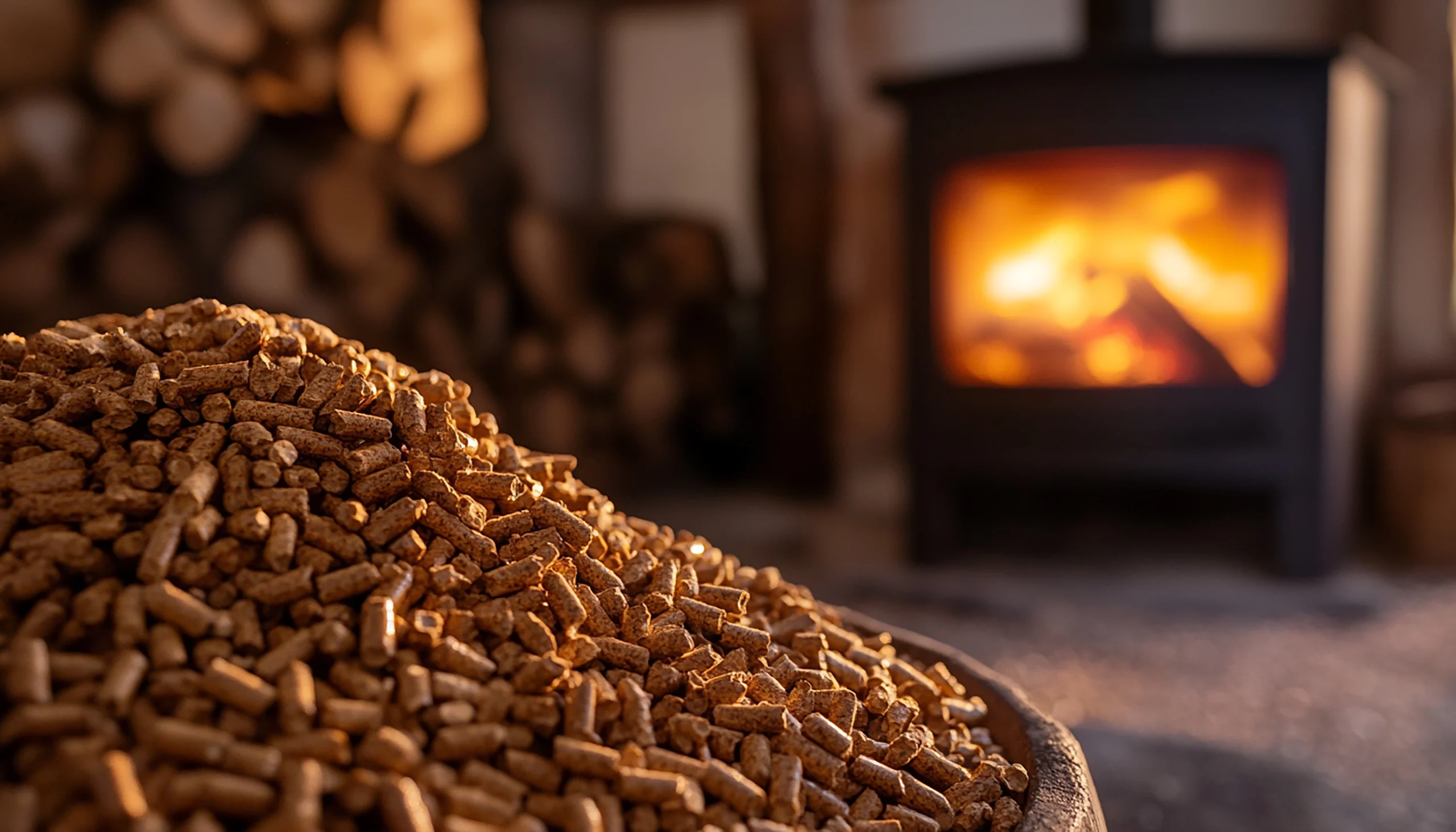
How Homegrown Energy Delivers Freedom, Security, and Lower Bills
Tired of monthly bills changing because of global events? “Big Energy” companies pass their high international costs directly to you. Homegrown wood pellets offer a stable, affordable alternative if you’re trying to manage your winter heating bill.
True independence is choosing who gets your money. With wood pellets, you aren’t tied to a utility company that can hike prices instantly. You become your own “utility manager,” deciding when to buy and how much to store, which helps you control your heating bill.
The “Homegrown” Advantage
Fuel made from local timber waste doesn’t need to cross oceans. This protects you from global drama. Importantly, with this local solution, your heating bill may remain unaffected while gas and oil prices spike during crises; British wood pellets remain a steady, local asset.
The Nottingham Energy Partnership (NEP)
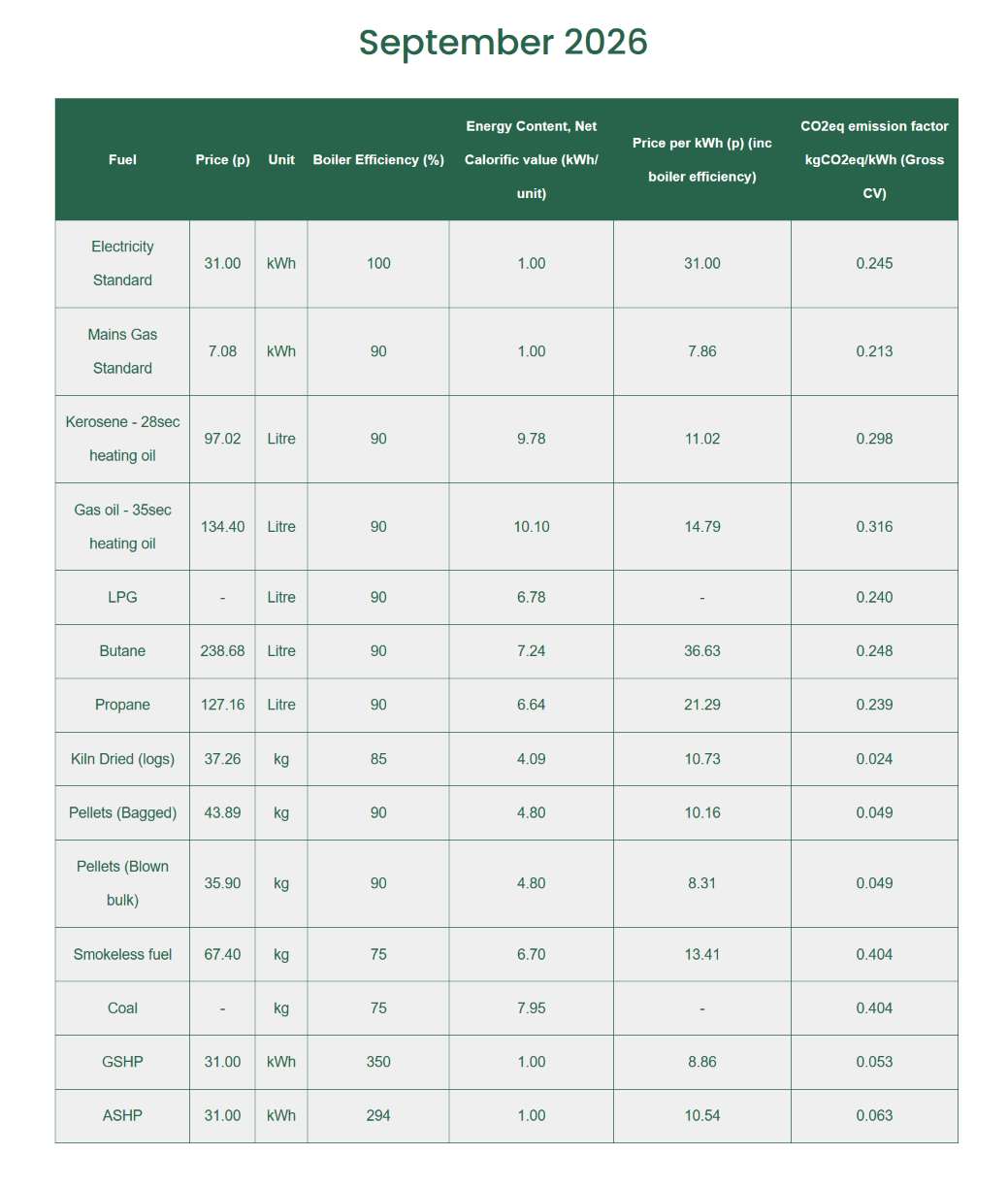
The NEP publishes monthly prices to help you compare UK fuels. They use a standard “pence per kWh” value to show the real costs. See how your heating bill stacks up in their September 2026 price table below:
Lower Your Costs
As the NEP table shows, wood pellets bought in bags at 43.8 pence per kg (equivalent to £438 per tonne) deliver heat at the price of 10.1 pence per kWh. For many households, this can mean a much lower heating bill over the year.
Compare this to other popular fuels;
- Air Source Heat pump ; 10.5 pence per kWh
- Wood Logs ; 10.7 pence per kWh
- Propane ; 21.2 pence per kWh
- Electric Heating: 31.0 pence per kWh
Wood pellets are 10% to 70% cheaper than these fuels.
Because these pellets are made from local timber waste sawdust, prices stay low and stable.
Quality and Efficiency
The UK Pellet Council (UKPC) manages the wood pellet sector in the UK. They ensure fuel is high-quality and sustainable through the ENplus scheme. By choosing premium fuel, you maximise efficiency and reduce your heating bill, saving more each month.
Our stoves use 6mm ENplus A1 pellets.
Our stoves reach 90% efficiency.
More of your money heats your home instead of escaping up the chimney, which is simply better for your heating bill in the long run.
Conclusion: Join the “Circular Economy”
Choosing British pellets supports local jobs, a cleaner environment, and a secure budget. In short, you don’t have to worry so much about your next heating bill—with homegrown energy, you get both peace of mind and savings.